How Lana Vape Retail in Singapore Got to Where It Is
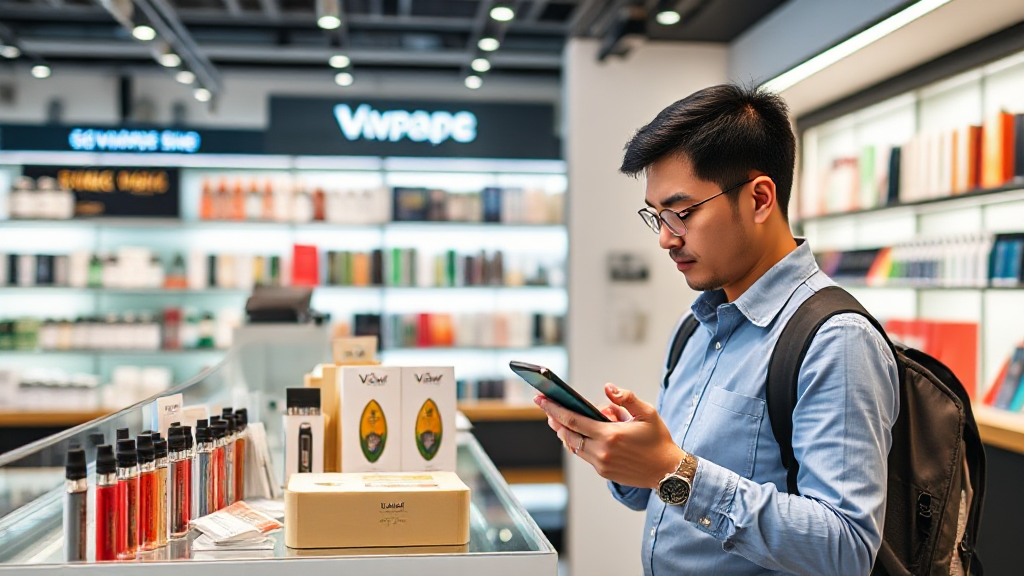
Not long ago, buying a vape in Singapore meant planning your day around a physical trip. You needed to know which shop carried which device, whether the stock was actually on the shelf, and how long the queue would be. That model worked for a while, but it placed a lot of friction between a buyer and a simple decision. The shift toward online ordering did not happen overnight, and it did not happen for one single reason. It happened because buyers gradually stopped tolerating the gap between wanting a product and getting it. Once people realised they could open a chat window and get a straight answer about availability, the old retail rhythm started to feel slow. That is the context in which a platform like the vape contact model became the baseline expectation rather than a novelty.
This is not a buying guide, and it is not a list of products. It is the background story behind how Lana vape retail in Singapore arrived at its current shape, why the product tiers look the way they do, and why delivery norms have become the quiet standard that everything else is measured against.
From Counter Service to Chat Windows
The first generation of vape retail in Singapore was defined by the counter. You walked in, you looked at what was displayed, and you made a choice based on what you could see. That had a certain honesty to it, but it also had a ceiling. A counter can only hold so much, and a staff member can only answer so many questions before the next customer steps forward. Buyers who already knew what they wanted were often the ones most inconvenienced, because they had to wait behind people who were still deciding.
Online ordering changed the sequence. Instead of browsing a shelf, buyers started browsing a catalogue. Instead of asking a staff member, they started asking a chat window. The important part is not the technology itself, but what it did to expectations. Once a buyer could confirm stock before committing, they began to treat uncertainty as a flaw rather than a fact of life. A shop that could not tell you whether an item was available stopped being a neutral option and started being a frustrating one.
This is where instant support moved from a nice extra to a core part of the service. A chat window that responds quickly does more than answer a question. It signals that the business is actually present, that someone is paying attention, and that the order is not disappearing into a void. For adults who already know their preferences, that reassurance is often the difference between completing a purchase and closing the tab.
How the Lana Product Line Grew in Tiers
Product lines rarely appear fully formed. They grow in response to what buyers actually ask for, and the Lana range is a useful example of that evolution. The early demand was simple: a device that worked, held enough charge, and did not require constant attention. That demand produced entry-level options, and those options are still relevant today because not every buyer wants the same thing.
As the market matured, a second tier emerged. Buyers who used their devices regularly wanted fewer interruptions, which meant more capacity and longer intervals between replacements. This is the tier that produced products like the Lana Trend 6000 Puffs and the Lana Cheer 15000 Puffs. Each step up in puff count represents a trade-off, and that trade-off is the whole point. A higher-capacity device suits someone who does not want to think about restocking, while a lower-capacity device suits someone who prefers to switch flavours more often.
The third tier pushed further. The Lana Pix 20000 Puffs sits at the top of the range, and it exists because a segment of buyers genuinely wanted the longest possible interval between purchases. This is not about one product being better than another. It is about a product line that stopped assuming a single type of buyer and started offering a spectrum. A shop that only stocked one tier would inevitably lose customers at both ends.
What makes this relevant to the broader retail picture is that tiering only works when availability is reliable. A product line with three tiers is meaningless if two of them are always out of stock. That is why ready stock became a selling point in its own right, and why a lana vape shop is judged as much on what it can hand over today as on what it lists on a page.
Why Delivery Norms Became the Real Benchmark
Delivery is the part of vape retail that buyers talk about most, because it is the part they feel. A catalogue can look impressive, but the experience lives or dies on whether the order arrives when it was promised. In Singapore, the geography makes same-day delivery genuinely achievable in a way that would be unrealistic in larger countries. Distances are short, logistics are dense, and a well-organised operation can move a package from a stockroom to a doorstep within the same working day. lana singapore delivery
That feasibility is exactly why it became an expectation. When something is possible, buyers stop treating it as a bonus. Same-day delivery moved from a differentiator to a baseline, and shops that could not match it found themselves explaining rather than delivering. The same logic applies to vape delivery singapore as a category: the promise is only credible if the operation behind it is actually set up to keep it.
Discreet packaging followed a similar path. It started as a thoughtful detail and gradually became part of the standard service description. Buyers value it not because they are doing anything wrong, but because they prefer their purchases to remain their own business. A plain package is a small thing that carries a lot of weight, and once one shop offered it consistently, the rest of the market had to acknowledge it.
The result is a delivery norm that is less about speed alone and more about predictability. Buyers want to know when the package will arrive, what it will look like, and who to contact if something goes wrong. That last point is why support and delivery are so tightly linked. A delivery without a responsive contact channel is just a package in transit with no accountability attached.
The Role of Support in a Trust-Based Market
Vape retail operates in a space where trust does more work than advertising. Buyers are cautious about authenticity, about consistency, and about whether the product they receive matches what they ordered. That caution is reasonable, and it shapes how a shop has to present itself. A brand name alone does not resolve the question. What resolves it is a visible, responsive point of contact that answers before the purchase and stays reachable after it.
This is why instant messaging support has become such a central feature of the online model. It compresses the distance between a question and an answer, which in turn compresses the distance between interest and confidence. For a buyer in Singapore weighing a lana vape singapore purchase, the ability to ask about stock, flavours, or delivery timing in real time removes most of the guesswork. That is a meaningful shift from the counter model, where answers depended on who happened to be working that day.
Support also carries an implicit promise about what happens after the sale. A channel that is responsive before payment but silent afterwards is a warning sign, and buyers have learned to read it. The shops that endure are the ones where the same channel handles both directions of the conversation. That consistency is what turns a one-time order into a repeat one.
There is a practical dimension too. When support is handled through a single channel, the buyer does not have to remember which platform they used or which email address they wrote to. Everything stays in one thread. That simplicity is easy to overlook, but it is one of the reasons the chat-first model has held up so well as the market has grown.
Where the Singapore Market Sits Now
Looking at the current state of things, the market has settled into a recognisable shape. Online ordering is the default, same-day delivery is the expectation, and a responsive contact channel is treated as part of the product rather than a separate service. Within that shape, product lines have organised themselves into tiers so that buyers can match a device to their own habits instead of picking whatever happens to be available.
The Lana range reflects that maturity. Entry-level devices serve buyers who want simplicity. Mid-tier options like the Lana Trend 6000 Puffs and Lana Cheer 15000 Puffs serve buyers who want longer intervals. The Lana Pix 20000 Puffs serves buyers who want to minimise restocking entirely. None of these categories is inherently superior. They exist because the market stopped treating all buyers as identical, and that is a sign of a retail sector that has grown up.
For someone approaching this as a curious adult rather than a first-time buyer, the useful takeaway is that the storefront is not the whole story. What sits behind it matters more: the stock that is actually on hand, the delivery that actually arrives, and the support that actually responds. A singapore lana vape purchase is really a test of those three things, and the shops that pass it are the ones that shaped the norms everyone else now works within.
The shift from counter to chat window was never just a change in channel. It was a change in what buyers were willing to accept. Once availability, delivery, and support became visible and immediate, there was no going back to the older rhythm. The market did not evolve because someone decided it should. It evolved because buyers kept asking for the same three things, and the shops that answered them are the ones still standing. For anyone who wants to see how that plays out in practice, the most direct way to judge a shop today is still the simplest one: reach out, ask a question, and see how quickly and clearly the answer comes back.